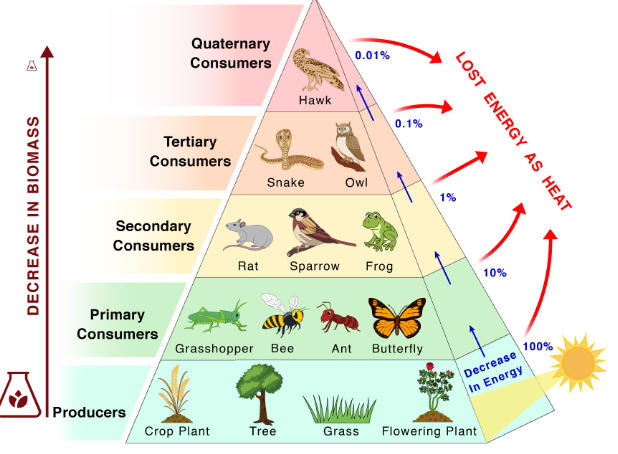
Lake Superior Food Chain Animal Biology Diagrams Food chain. A simple introduction to the idea of a lake's food web is to think of it simply as bigger fish eat smaller fish that eat the small floating critters that eat algae, as in the first diagram. Algae are the primary producers, that is, they are able to convert light, nutrients, minerals, and carbon dioxide into organic materials and Carnivores (meat eaters) eat other animals and can be small (e.g., frog) or large (e.g., lake trout). Omnivores are animals (including humans) that eat both plants and animals. Each is an important part of the food chain. In reality, food chains overlap at many points — because animals often feed on multiple species — forming complex food webs.

Figure 14. Food webs may be described in terms of both energy and nutrient (carbon, nitrogen or phosphorus) flows (Figure 15).Although the process typically begins with sunlight-driven photosynthesis by algae and plants, balanced nutrition is also required to sustain life. For example, we cannot live strictly on sugar, despite its high caloric content, irrespective of what our kids may argue. Understanding Lake Food Webs: A Deep Dive into Aquatic Ecology. Lakes, seemingly tranquil bodies of water, are bustling ecosystems teeming with life. This intricate system, far from being a simple chain, is a dynamic web of relationships that determines the health and stability of the entire lake environment. Understanding the structure and Compared to most ecosystems, the Great Salt Lake food web is relatively simple. It is based around two major food chains. The first food chain (on the left side of the diagram) consists of microscopic bottom-dwelling cyanobacteria, brine flies and shorebirds such as gulls.
Great Salt Lake Food Web Biology Diagrams
Online food web maker to create visually stunning food web diagrams and food chains for PowerPoint presentations, assignments, printing, and publishing. Open a Creately workspace and add your peers as collaborators with edit access allowing them to work on the food web diagram with you in real-time. Define the ecosystem you want to study by
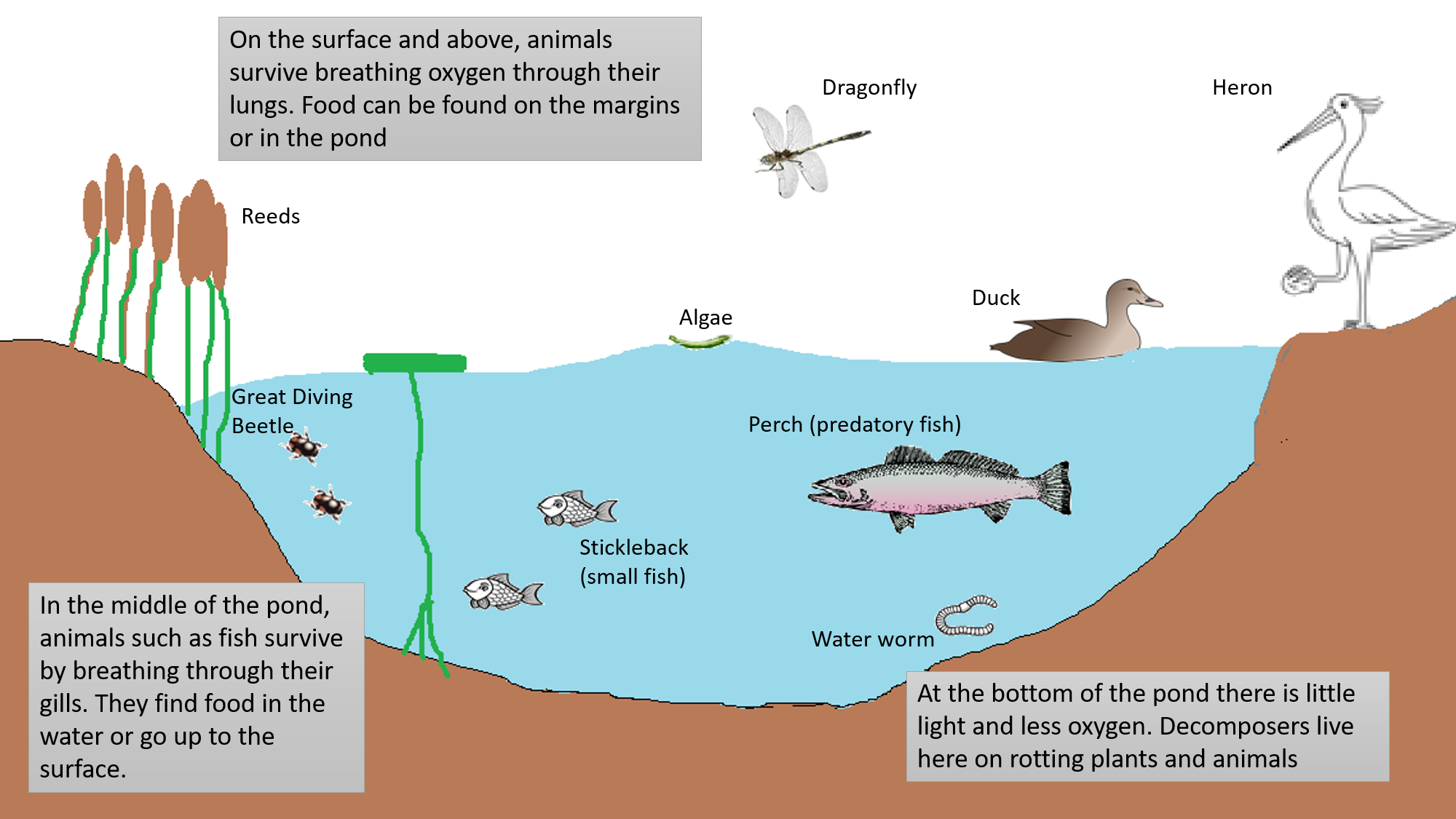
All organisms in those food chains are influenced by non-living (abiotic) factors and living (biotic) factors in their environment. Abiotic conditions (e.g., temperature, pH, clarity, dissolved oxygen, nutrients, etc.) and biotic conditions (e.g., predation, disease, etc.) of the lake impact organisms in the food chain and help to provide a Grazing Food Chain: Energy flow starts with green plants, which are consumed by herbivores, followed by carnivores. Common in terrestrial ecosystems. Detritus Food Chain: Energy flow begins with dead organic matter broken down by decomposers, then consumed by detritivores. Common in decomposition processes. Parasitic Food Chain
